
Blog
What Is Pica in Dogs?
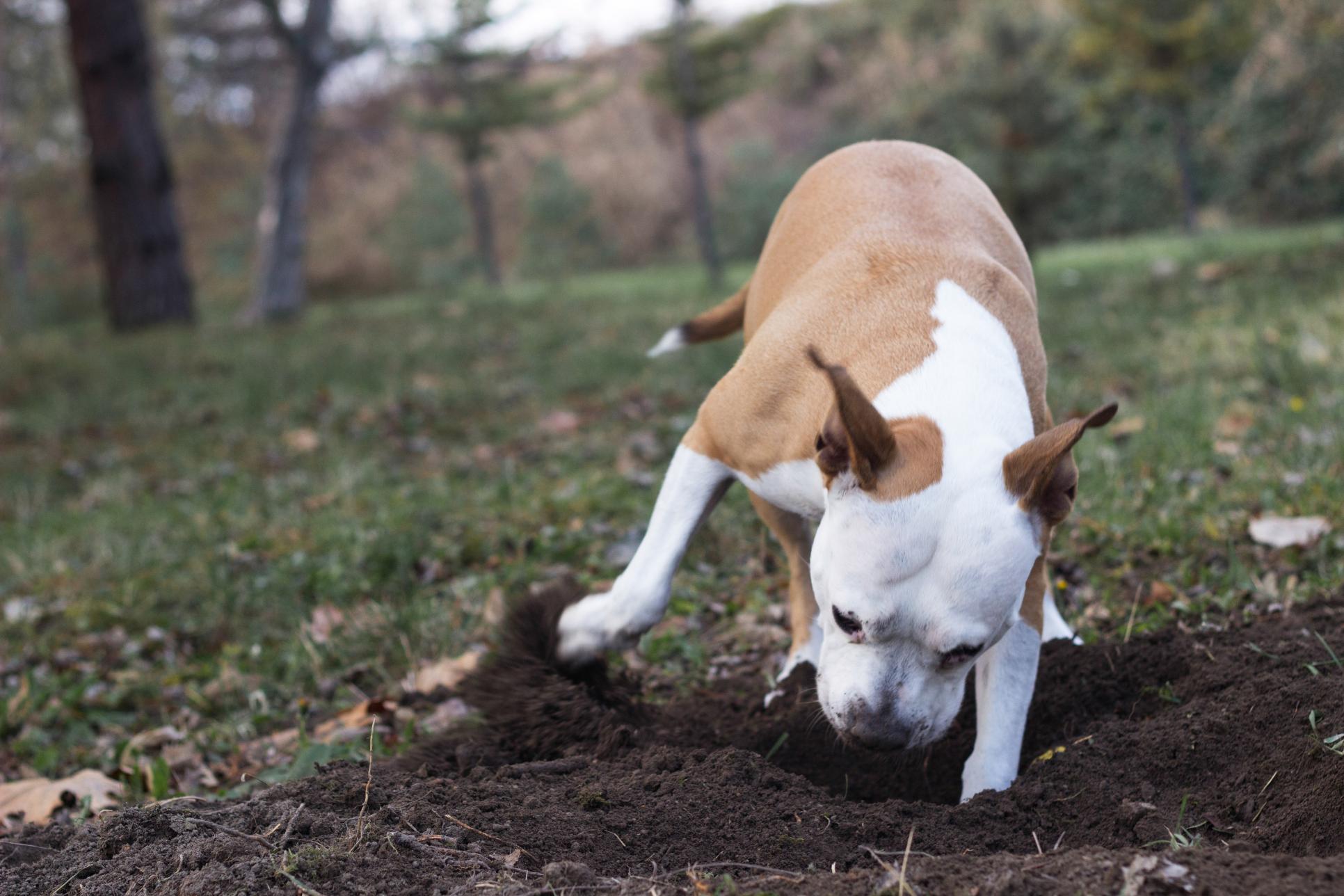
If your dog has ever snacked on socks, swallowed stones, or munched on mulch, you may have wondered, why on earth does he do that? While occasional culinary curiosity is normal canine behavior, regularly eating non-food items can be a sign of a condition called pica, a potentially dangerous habit that deserves a closer look.
Understanding Pica
Pica is a behavioral and medical condition in which dogs eat things that aren’t meant to be eaten, such as rocks, plastic, dirt, paper, or fabric. While it may start as innocent exploration, persistent pica can cause serious health problems, including intestinal blockages, poisoning, or dental injuries. The good news is veterinarians can often identify and treat the underlying cause.
Common Causes of Pica
There’s no single reason dogs develop pica—it can stem from a mix of behavioral and medical conditions. Some of the most common include:
- Nutrient deficiencies: Low levels of iron, zinc, or other minerals can lead dogs to seek out non-food items to “fill the gap.”
- Stress or anxiety: Dogs with separation anxiety, boredom, or limited stimulation may turn to chewing or eating inedible things for stress relief.
- Medical conditions: Underlying issues like diabetes, intestinal parasites, or thyroid disorders can contribute to unusual eating behaviors.
- Learned behavior: Some dogs simply develop a habit of eating certain objects, especially if it once got them attention or relief.
When to See Your Veterinarian
Because pica can lead to dangerous blockages or internal injuries, it’s always safest to schedule an exam if your dog is eating non-food items regularly. Your veterinarian will perform a physical exam and may recommend lab tests, X-rays, or other diagnostics to rule out medical causes, such as nutrient deficiencies. If the problem appears to be behavioral, they’ll help you create a plan to address stress and improve your dog’s environment and routine.
Treating and Preventing Pica
Treatment for pica depends on the cause. Your veterinarian may recommend:
- Dietary changes or supplements if nutrient deficiencies are identified.
- Stress reduction strategies such as more exercise, puzzle toys, and interactive play.
- Behavioral training to redirect inappropriate chewing or eating habits.
- Medication to manage anxiety or compulsive behaviors.
- Environmental management, like keeping tempting objects out of reach and offering safe chew toys.
Regular wellness exams are also essential; they allow your veterinarian to monitor your dog’s health and catch subtle changes early.
When in Doubt, Reach Out
Pica isn’t just a quirky behavior—it’s a warning sign that something deeper may be going on with your dog’s body or mind. If you’ve noticed your pup eating things they shouldn’t, don’t wait to see if it’s a passing phase. The caring team at Ten West Bird & Animal Hospital in San Antonio can help identify the cause and create a treatment plan tailored to your pet’s needs. Contact us today if you have any concerns about your pet’s health.