
Blog
Common Health Problems in Pet Birds: Signs You Shouldn’t Ignore
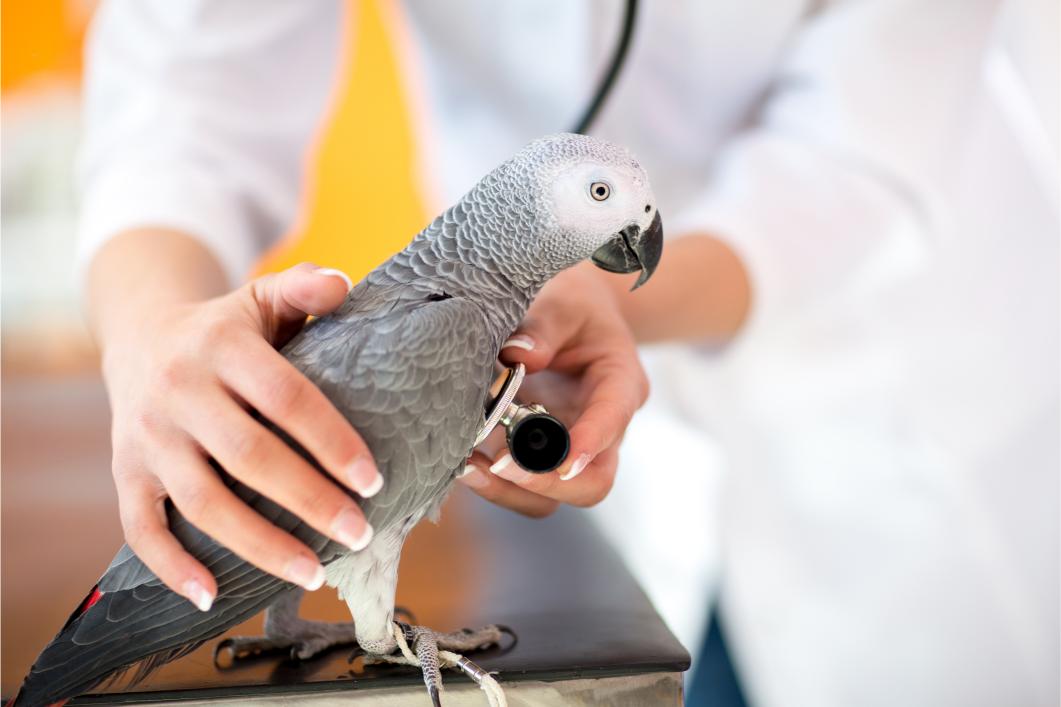
Birds are so different from dogs, cats, and even goldfish, but they need just as much care. Perhaps even more than some of the more common pets in the world! Birds are more fragile, tiny, and vulnerable than many other pets. If your little avian friend is acting differently than usual, it’s time to pay attention. Even the slightest variations in behavior could be a sign that your bird is sick.
Today, the team at 10 West Bird & Animal Hospital is here to help you spot the signs of an issue with your bird’s health before it becomes severe.
Common Bird Health Problems to Watch Out For
The most common health problems we see in birds include:
- Respiratory infections. These can be caused by anything from bacteria and viruses to environmental irritants. Symptoms like difficulty breathing or tail bobbing can be a sign of respiratory distress in birds.
- Nutritional deficiencies. While it might seem as though all birds need to eat are seeds, the truth is that a diet composed only of seeds lacks key nutrients for avian pets. But this misconception about a seed-only diet is so common that we avian veterinarians frequently see cases of inadequate nutrition.
- Parasites. Both internal parasites and external mites can irritate your bird’s skin, cause feather damage, or trigger issues elsewhere in your birdie’s body.
- Feather plucking and changes in behavior. If your bird is plucking her feathers out or showing any other unusual or disruptive behaviors, this could be a sign of stress, boredom, or an underlying medical condition that’s making your bird uncomfortable.
- Gastrointestinal upset. Just like we humans, birds can suffer from tummy troubles. Keep an eye out for changes in your bird’s appetite levels. Watch the water levels in the water dish. Make it a habit to inspect your bird’s potty area. If you notice any changes, your feathered family member may be struggling with an infection or digestive disease.
Routine wellness exams with an avian veterinarian are key to your bird’s health. An experienced vet can quickly identify any signs or symptoms of distress—even symptoms that you’re unsure are relevant or not.
Signs Your Bird Could Be Sick
Birds are really good at hiding the moments when they’re feeling icky. This is especially true for the early signs of an illness. Birds can hide those smaller symptoms with great skill, not showing signs until they’re seriously unwell.
This is a survival skill leftover from domesticated birds’ time in the wild. Birds that show signs of illness are perceived as weak, making them easy prey.
We really can’t blame our avian friends for this, can we?
But we can learn the symptoms that something is amiss with our perch-loving pals.
Keep a close eye out for these signs of trouble:
- Fluffed up, rumpled feathers, especially in birds that are usually meticulous about grooming themselves
- A decrease in appetite and/or signs of weight loss
- Fewer cheerful vocalizations and singsong sounds
- Extra time spent sleeping or listlessly lounging around
- Changes in the color, consistency, or frequency of potty droppings
- Labored breathing, wheezing, or tail bobbing (when the tail moves up and down with every breath)
- Discharge from your bird’s nostrils or eyes
Here’s the thing, though: birds can quickly go downhill after any of these symptoms appear. Early diagnosis and treatment are vital to the well-being of your avian companion.
Seek veterinary care immediately if your feathered friend shows any of the signs of sickness above.
The experienced team at 10 West Bird & Animal Hospital is here to provide care for any avian illness that crops up. Call us at (210) 696-1700 to schedule an urgent care or wellness appointment with us today.