
Blog
Reptile Metabolic Bone Disease: Early Signs Owners Miss
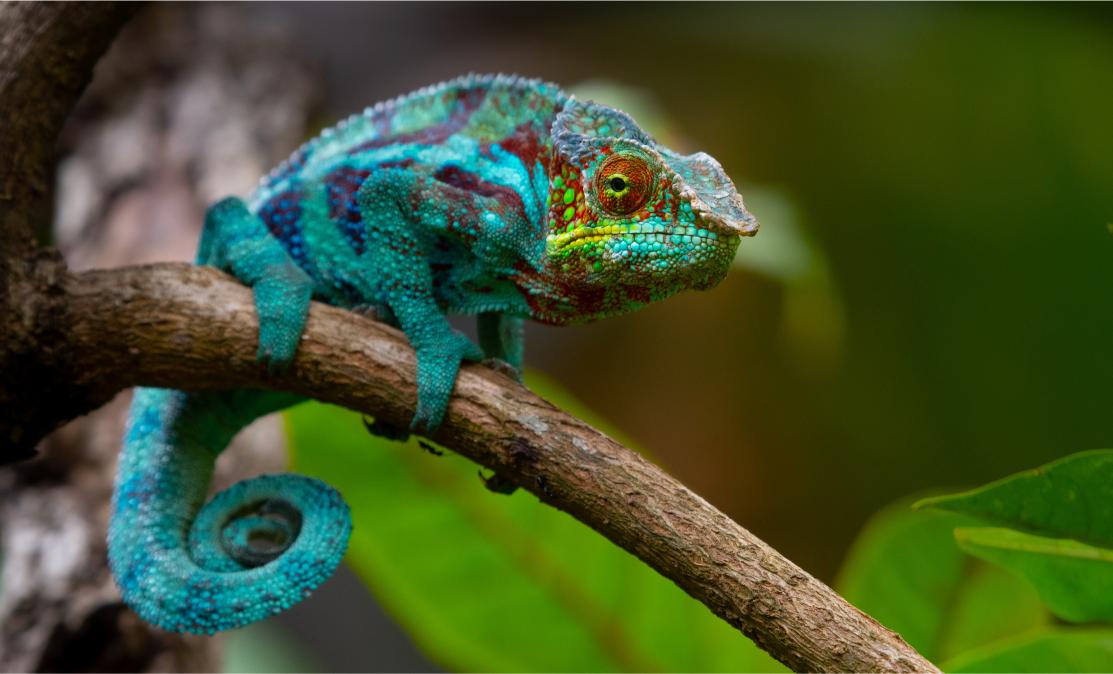
Reptiles are both resilient and fragile, and when we’re caring for them, we have to make sure we spot any signs that something is wrong. One of the more common reptile health issues is metabolic bone disease, which can be caused by calcium deficiency and poor UVB lighting, among other things.
Here’s what the team at 10 West Bird and Animal Hospital wants reptile owners to know about reptile bone health.
Signs of Metabolic Bone Disease in Reptiles
Even though it sounds like a single disease, metabolic bone disease, or MBD, is a group of disorders linked to imbalances in calcium, phosphorus, and vitamin D3. In addition, a lack of appropriate UVB exposure plays a role—reptiles cannot properly absorb and use calcium if they don’t have enough UVB exposure.
The early signs of MBD can be subtle, though. Here’s what to look out for when you observe or interact with your scaly friend:
- Jaws that feel soft or look swollen
- Muscle twitches and/or body tremors
- Difficulty climbing or scampering like usual
- Lethargy, limping, or swelling in the legs
- Limbs that look misshapen or curved
- Loss of appetite
Keep in mind that these are early signs. As the condition progresses, your reptile might develop bone fractures, deformities, and even paralysis. And young, growing reptiles are more vulnerable because their bones need lots of calcium to develop normally.
Exploring the Causes of Reptile Metabolic Bone Disease
One of the leading causes of MBD is insufficient care. Many reptiles need UVB lighting to help them synthesize vitamin D3, which then lets the body absorb the calcium your reptile gets from its food.
Without enough UVB exposure, reptiles can’t use dietary calcium even if they’re technically eating enough of it.
But temperature can also play a role. Reptiles need heat from the environment around them in order to digest their food and keep their metabolism working as it should. If the temperature in their enclosure is too low, some reptiles can suffer from impaired digestion and nutrient absorption.
Species like bearded dragons, turtles, iguanas, and tortoises are particularly susceptible to MBD from a lack of good husbandry.
Tips for Maintaining Reptile Bone Health
Preventing metabolic bone disease starts with excellent husbandry. Here’s what to remember as you care for your special, scaly companion:
- Providing species-appropriate amounts of UVB lighting, temperatures, and humidity is crucial
- Regularly replacing UVB bulbs when they eventually lose strength
- Feeding your pet a balanced and appropriate diet is key
- Regular wellness exams can help your vet spot any early signs of MBD
The good news about MBD is that it’s largely preventable. With the right husbandry, reptile keepers can enjoy healthy, happy pets. But no one is perfect, and mistakes happen. This is where routine veterinary visits play a critical role in keeping reptiles healthy. Veterinarians can help keep an eye out for early symptoms and provide tips for proper husbandry.
The experienced team at 10 West Bird and Animal Hospital is here to help monitor your reptile’s metabolic and skeletal health. Call us at (210) 696-1700 to schedule a wellness appointment today!