
Blog
Why Birds Hide Illness—and the Small Changes Owners Should Notice
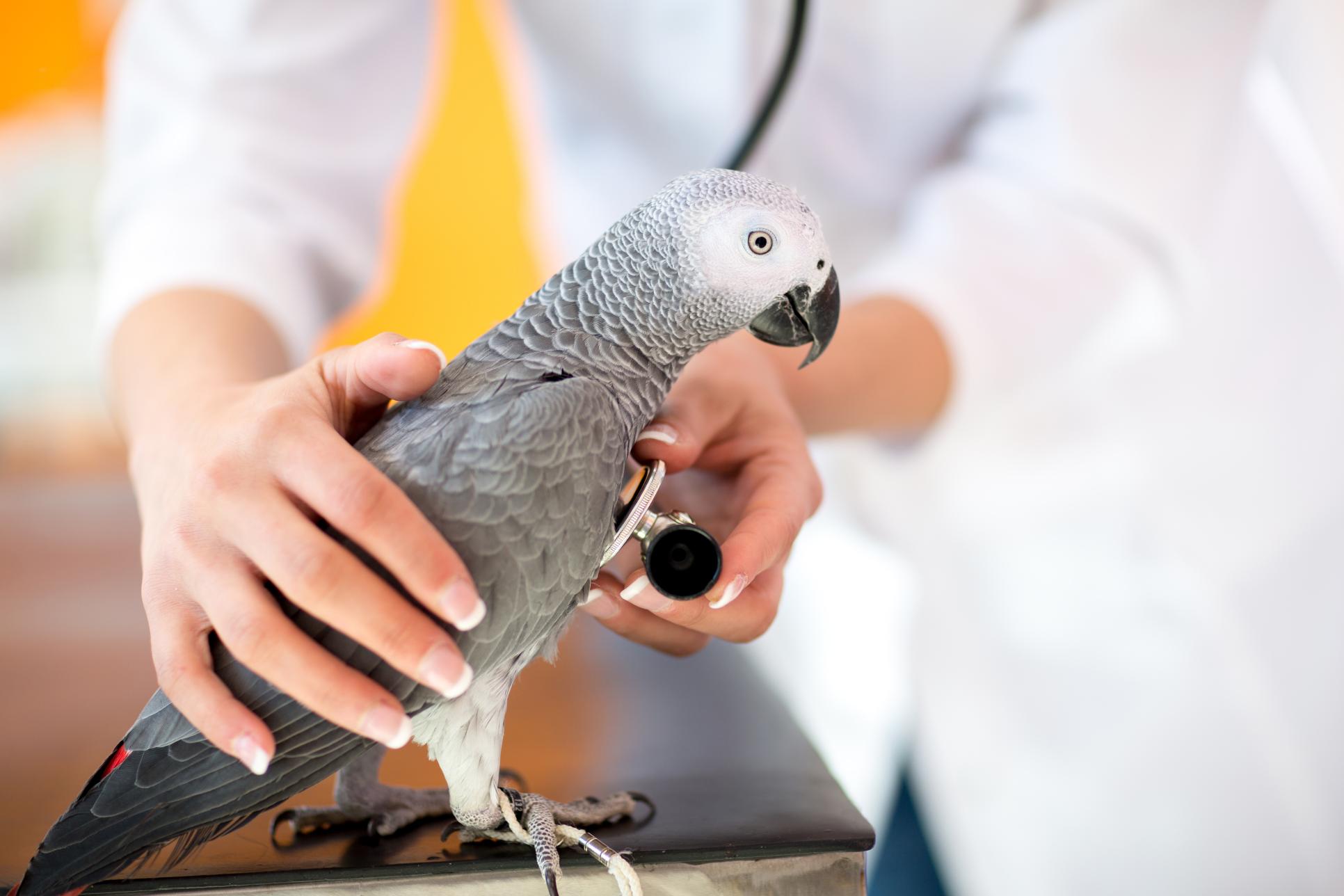
Birds are remarkably skilled at hiding when they’re not feeling well. In the wild, showing weakness can make a bird more vulnerable to predators, so many species instinctively mask signs of illness until they’re seriously sick. That means subtle changes are often the first clue that something isn’t right.
At Ten West Bird & Animal Hospital in San Antonio, our team understands how easy it is to miss these early warning signs, and we’re here to help you recognize them before they become emergencies.
Why Birds Often Seem Fine Until They’re Not
Birds don’t always show obvious discomfort. Instead, they may continue eating, perching, or interacting normally while quietly compensating for an underlying health problem. By the time a bird appears visibly ill, the condition may already be advanced. That’s why early observation and prompt avian veterinary care are so important.
The good news is that you know your bird better than anyone else. Even small changes from your pet’s normal routine deserve attention.
Small Bird Behaviour Changes Can Be Big Clues
One unusual day doesn’t always mean your bird is sick. However, if you notice persistent behavior changes or a combination of subtle symptoms, it’s time to schedule an examination.
Signs of illness in birds can look like:
- Spending more time fluffed up when the room is comfortably warm
- Sleeping more than usual or sitting with partially closed eyes
- Decreased vocalization or interaction
- Sitting low on the perch or spending time on the cage floor
- Changes in appetite or drinking habits
- Weight loss, even if your bird still seems to be eating
- Changes in droppings, including colour, consistency, frequency, or amount
- Laboured breathing, tail bobbing, wheezing, or open-mouth breathing
- Changes in grooming, feather condition, or overall appearance
Not every change signals a serious illness, but it’s always safer to have unusual bird health symptoms evaluated sooner rather than later.
Daily Habits That Help You Catch Problems Earlier
Many bird owners naturally focus on feeding and cleaning, but a few additional habits can make a big difference in spotting illness early.
Try to:
- Observe your bird’s normal energy level each day
- Check cage papers daily so changes in droppings are easier to notice
- Offer fresh food and pay attention to how much is actually eaten
- Weigh your bird regularly using a gram scale if your veterinarian recommends it
- Keep notes about any new or unusual behaviors that last more than a day or two
These simple observations create a picture of what’s normal for your bird, making subtle changes much easier to recognize. If something seems off, trust your instincts. It’s always appropriate to call your veterinarian with questions.
Partner With an Experienced San Antonio Avian Vet
Birds have unique medical and behavioral needs that differ significantly from those of other companion animals. Working with an experienced San Antonio avian vet helps ensure your bird receives care tailored to its species, age, lifestyle, and health history.
At Ten West Bird & Animal Hospital, our doctors and staff provide compassionate care for parrots, canaries, finches, domesticated poultry, and many other companion birds. Whether your bird needs a wellness exam, nutritional guidance, or treatment for an illness, we’re committed to helping your feathered family member enjoy the healthiest life possible.
Don’t Wait for Obvious Symptoms
When it comes to birds, subtle changes matter. Early avian veterinary care can often make treatment more effective and improve your bird’s outcome. Call us today at (210) 696-1700 to book an appointment with our experienced team.